


Understanding Your Child's Learning Milestones
October 20, 2025
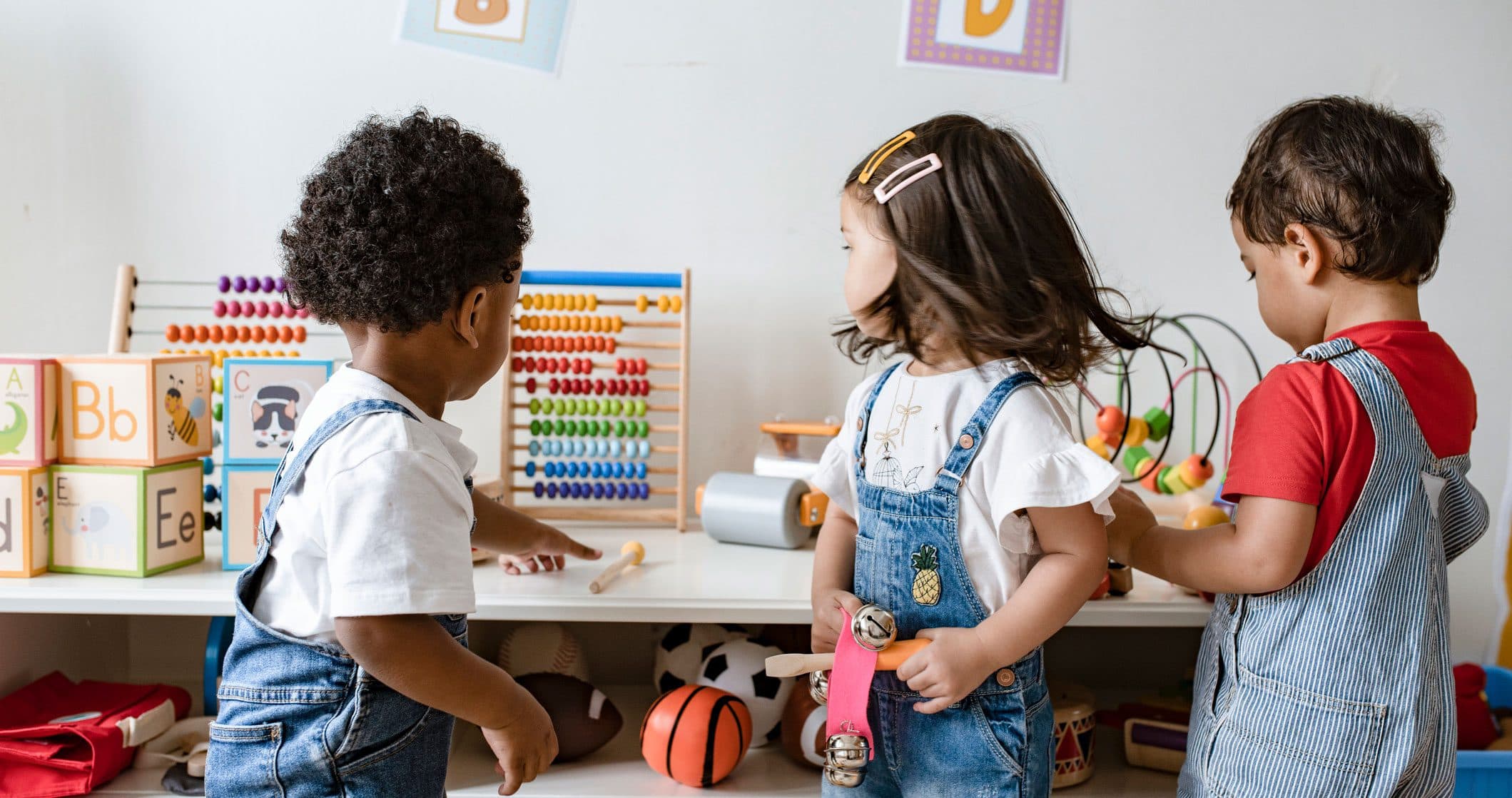
Milestones are the skills most children reach around a certain age, from rolling over to writing their name. They are useful guideposts, not a scorecard. Every child grows on their own timeline, and a range of what is "typical" is completely normal. Use these stages to celebrate progress and to notice what your child might be ready to try next.
Infants (birth to 12 months)
In the first year, babies are busy learning that the world is a safe and interesting place. In the early months you may see your baby smile at familiar faces, coo and gurgle, hold their head up, and begin to follow things with their eyes. By the second half of the year, many babies recognize their own name, babble strings of sounds, pass a toy from hand to hand, sit without support, and start to crawl or pull up to stand.
Toddlers (12 to 24 months)
Toddlers are on the move and eager to communicate. During this stage children often begin to walk, run, and climb, follow simple requests like "wash your hands," use gestures such as waving, say their first words, point to objects they want, and enjoy helping to dress themselves. Play becomes more social, and familiar routines bring comfort and confidence.
Preschoolers (3 to 4 years)
Preschoolers grow into imaginative, capable little people. Around age three, many children play make-believe, take turns in games, know some colors, dress themselves, and speak clearly enough for others to understand most of the time. By age four, children often use full sentences, tell short stories with detail, cooperate with friends, understand counting, and draw a person with several body parts.
Pre-K (4 to 5 years)
As kindergarten approaches, children build the skills that help them thrive in school. Many begin to recognize letters and their sounds, write their name, count toward twenty, follow multi-step directions, use scissors and writing tools with control, and solve small problems with growing independence.
The best way to support milestones is simple: talk, read, sing, and play with your child every day. Progress rarely happens in a straight line, and the joy is in the journey.